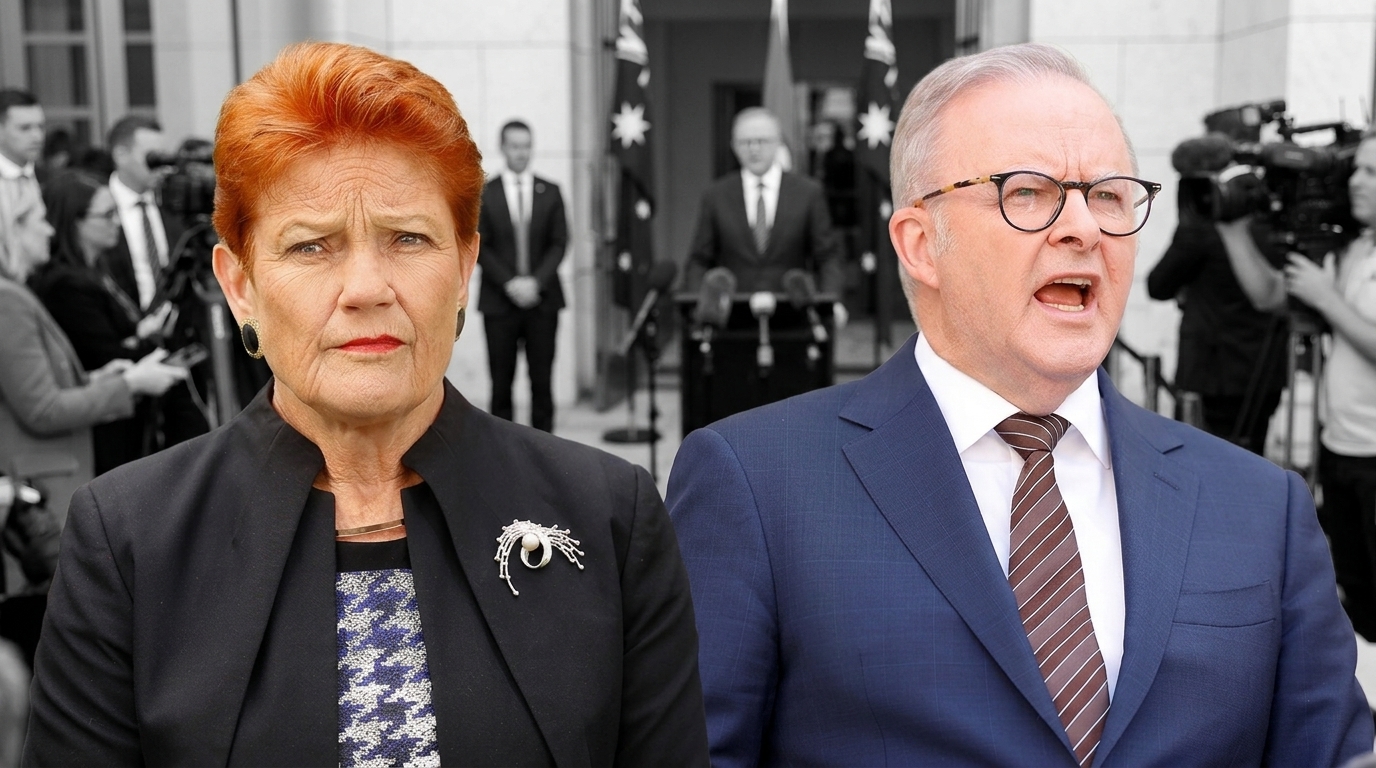
Monocultural push hits headlines
A push for a more monocultural Australia — fewer migrants, mandatory English and limits on places of worship — has sharpened a political fight in Canberra as One Nation’s polling rises. Prime Minister Anthony Albanese called the agenda “nonsense”, while at least one senior Coalition MP declined to give a straight answer on whether the party rejects those proposals.
Recent polling cited in the debate puts One Nation on about 31 per cent primary support and shows a 51–49 head‑to‑head result in one poll. The reel material also reported regional towns where support can reach around 60 per cent, with big cities in the mid‑teens.
What the proposals say
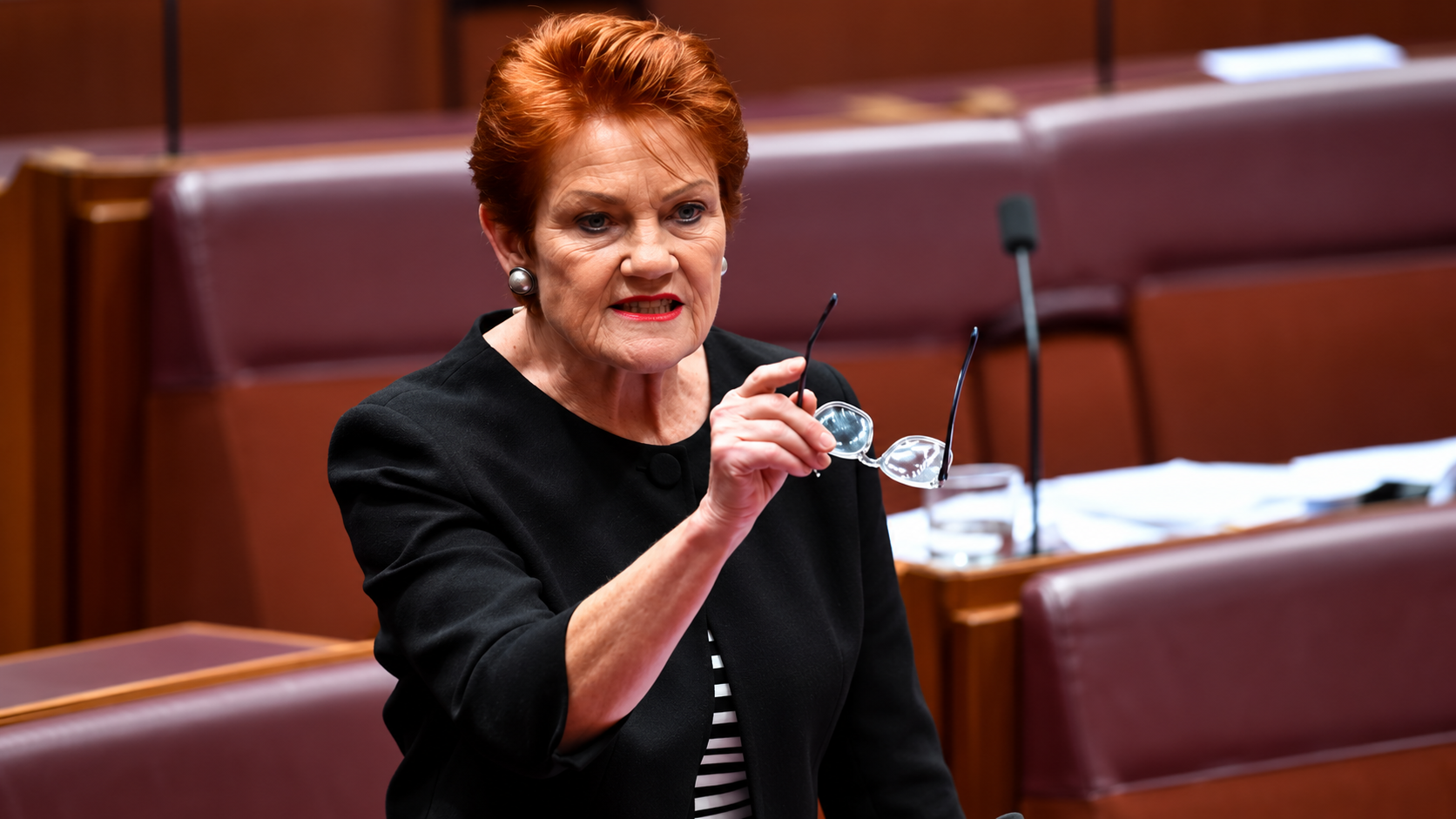
The monocultural platform as outlined by Pauline Hanson in the reel calls for massive cuts to migration, a requirement that English be mandatory, restrictions on the number of mosques and a push for Judeo‑Christian values. The plan also included proposals to ban practices described by its backers as incompatible with Australian society.
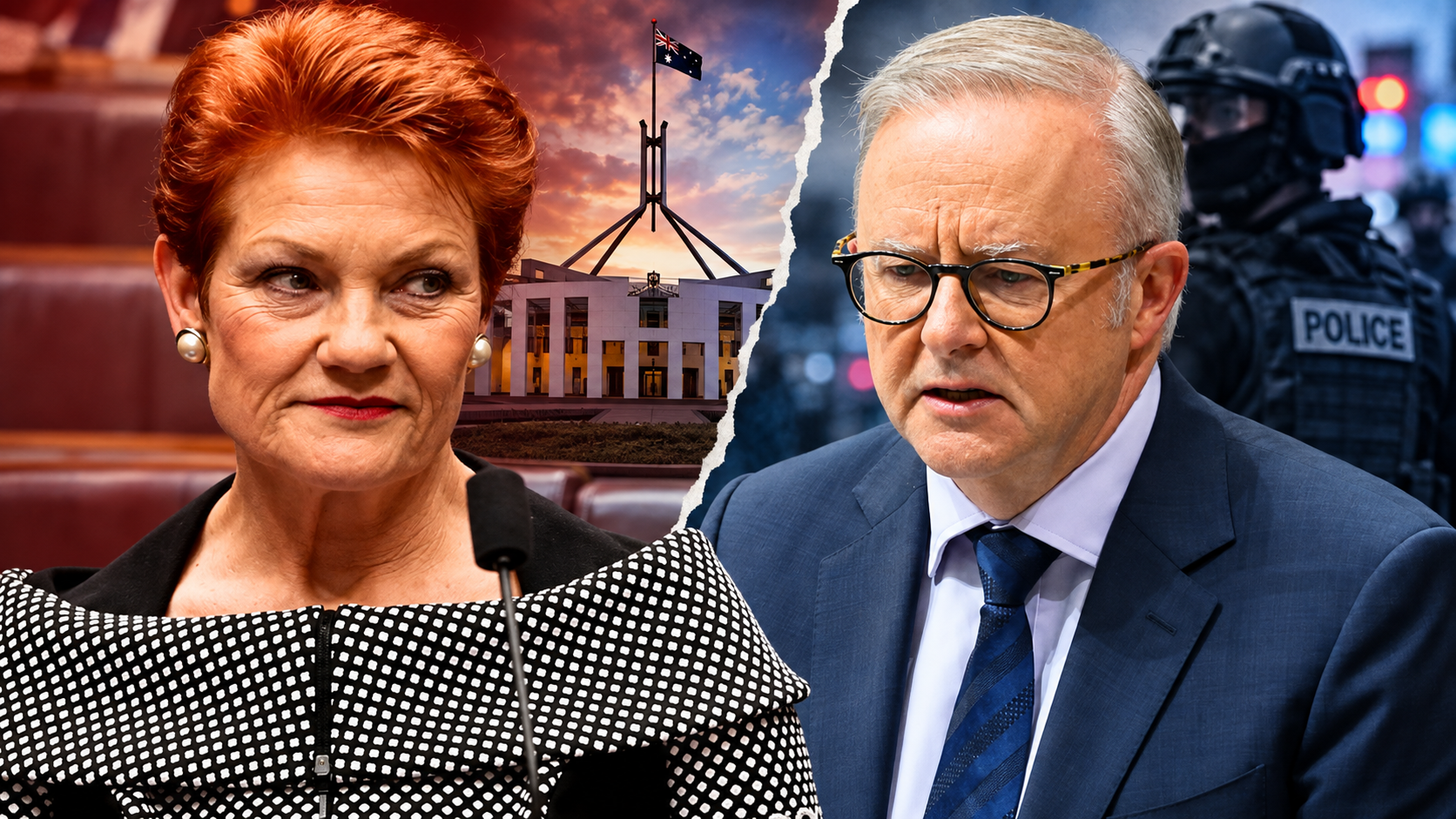
Those details have driven the public exchange between Hanson and the prime minister and prompted questions about how either major party would respond if One Nation’s support translates into parliamentary influence.
Government responses and the Coalition’s caution
Mr Albanese publicly rejected the monocultural framing, describing it as nonsense and reminding parliament that Australia has not been monocultural. By contrast, the reel highlighted at least one Coalition frontbencher refusing a clear rejection of Hanson’s agenda, a stance the reel attributed to electoral caution.
That cautious approach by parts of the Coalition has fuelled debate about whether conservative voters are pulling the opposition towards identity politics and whether smaller parties’ polling strength is shaping major party tactics.
Electoral stakes and possible outcomes
The reel suggested that One Nation’s mix of strong regional support and modest urban backing could translate into substantial parliamentary clout; it said the party could win 50–55 seats in some scenarios, making it influential in a hung parliament even if it cannot form government outright.
If both major parties pursue identity issues to counter One Nation, the reel argued, policy problems such as housing, school funding and hospital waiting lists risk taking a back seat to culture‑war politics.
The choice facing Canberra
The debate sets a clear choice for major parties: publicly reject the monocultural demands or alter policy priorities to chase votes. The reel framed the issue as a test of whether politicians will bankroll culture wars or keep focus on core services.
As One Nation’s polling figures influence the national conversation, the practical consequence is likely to be a sharper divide over both rhetoric and policy direction in the lead‑up to the next election, with real implications for local services and community cohesion.
Comments
0 approved
No approved comments yet. Be the first to weigh in.