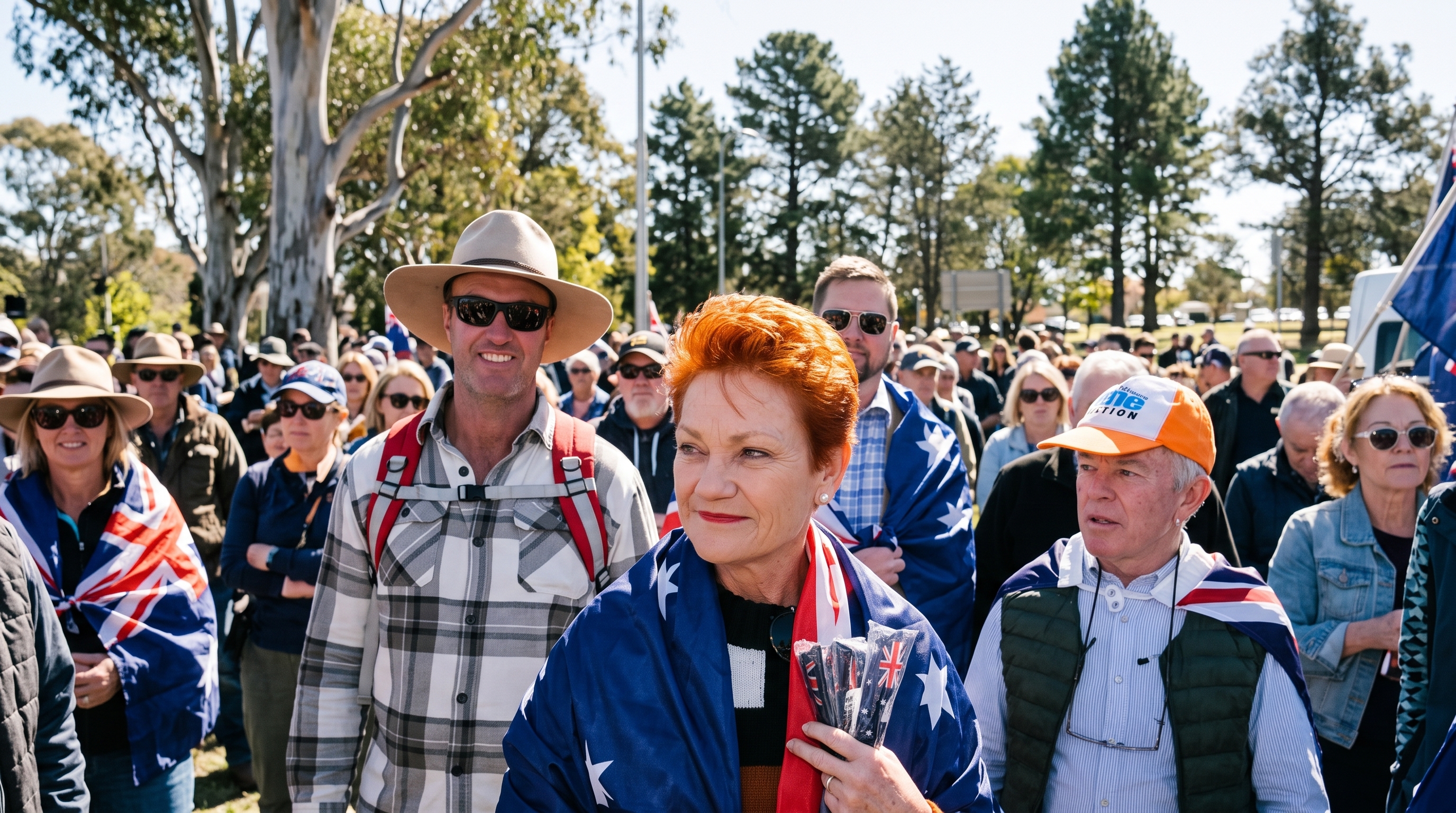
Polling shock and the immediate drivers
Recent polls show One Nation at 25%, a sharp jump from about 6% at the last federal election. That rise has coincided with public frustration over rising petrol bills, ballooning rents and long waits for regional health and other local services.
Those pressures have pushed some regional voters to look for a loud, single-issue alternative — a pattern pollsters and commentators say helps explain the party’s rapid growth.
Real grievances, not just culture war
The material concerns behind the swing are tangible: housing supply remains constrained in many regional towns, transport and primary care services are stretched, and everyday costs such as fuel bite into household budgets. Those are policy failures that cut across traditional party loyalties.
Political strategists warn against dismissing the voters attracted to One Nation as merely racist or irrational. Their anger is anchored in lived experiences of service decline and affordability pressures — but how that anger is channelled matters politically.
Risks if the shift continues
The danger for Australia’s major parties is twofold. First, if the causes of regional decline are left unaddressed, One Nation’s support can keep growing and reshape marginal seats and Senate contests. Second, the party pairs legitimate grievance with divisive immigrant rhetoric and questions about wealthy backers — including reports of a $70 million jet and broader donor-transparency concerns.
That combination can hollow out inner-city coalitions, harden regional politics and make constructive policy compromise harder, analysts say.
What governments and parties must do
Responding requires policy fixes rather than pure messaging. Increasing housing supply in regional towns, better funding for local health and transport services, and targeted support to ease fuel and cost-of-living pressure would undercut much of the grievance that feeds the surge.
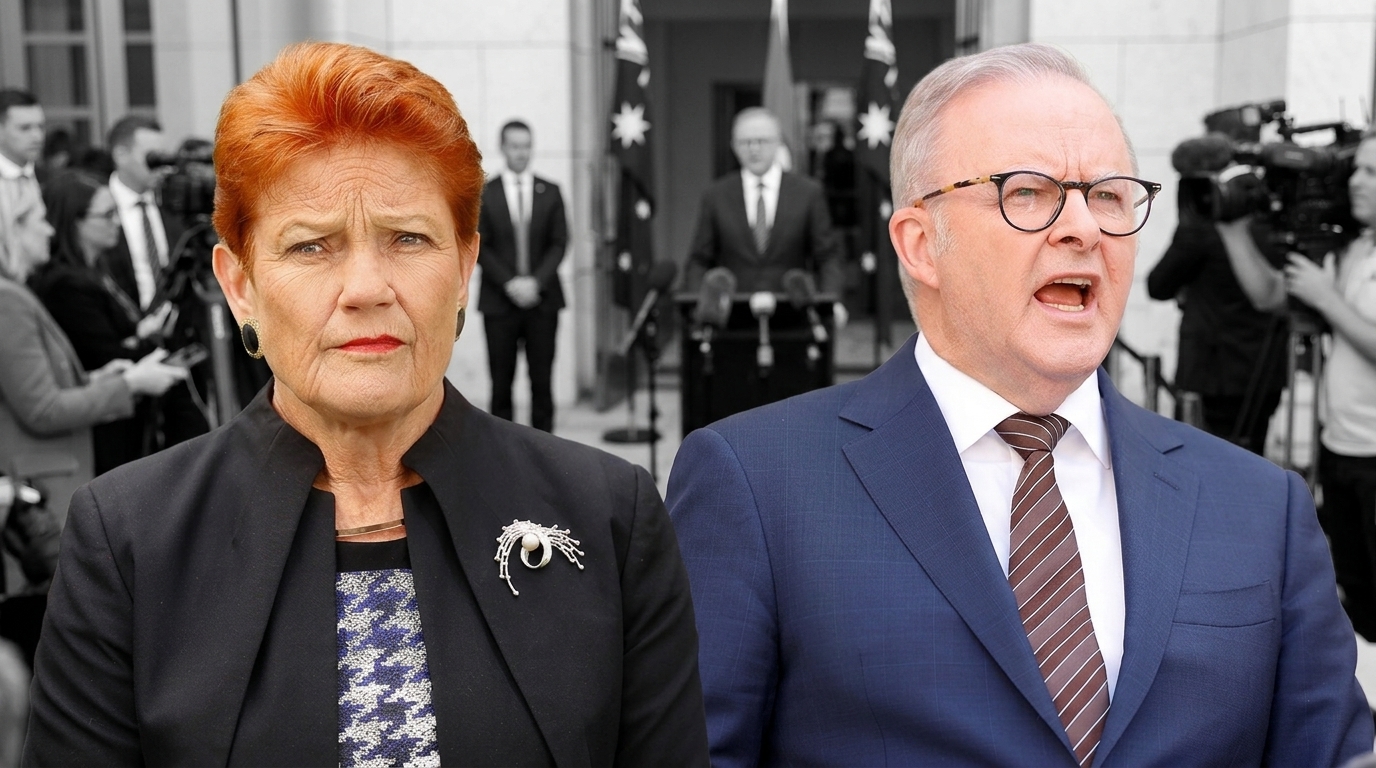
At the same time, demands for full donation transparency and clearer answers about party backers are a short-term step that would address public concern about opaque financing. If Labor and the Coalition keep trading punch-ups and neglect these policy areas, the political math that produced this jump will remain intact.

Comments
0 approved
No approved comments yet. Be the first to weigh in.