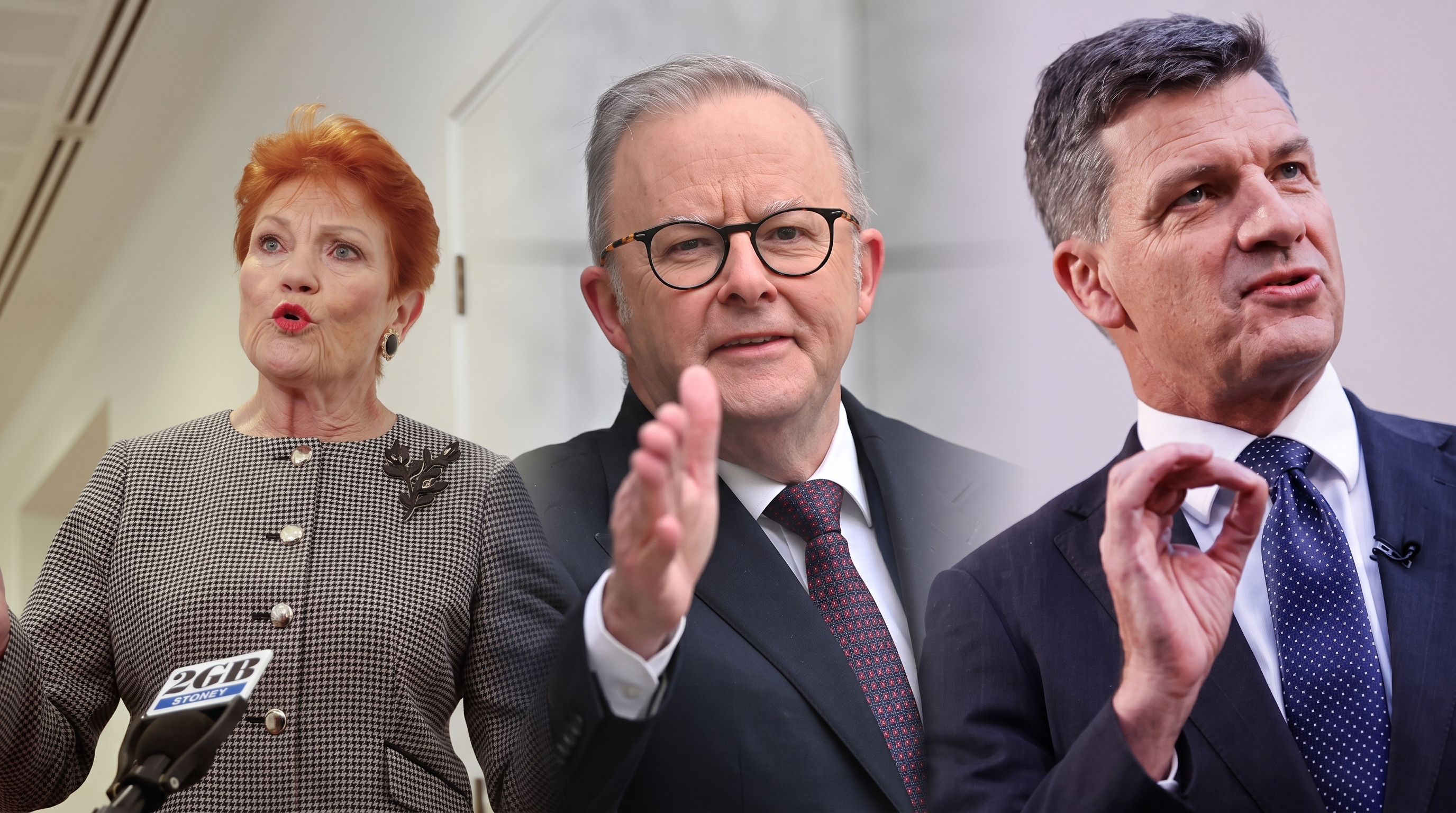
Voter anger meets a historic economic squeeze
A political shift not seen since World War II is taking shape as recent economic shocks collide with growing public anger over the cost of living. In the last fortnight a 16th cash rate rise was recorded, a surcharge collapsed and the ATO reversed course on credit‑card payments, moves the public has noticed.
Those developments have fed into polling that puts Labor on 28, the Liberals around 20 and One Nation closing in, signalling a fracturing of the traditional two‑party contest and a new volatility in Canberra.
Who is feeling the squeeze — and why it matters politically
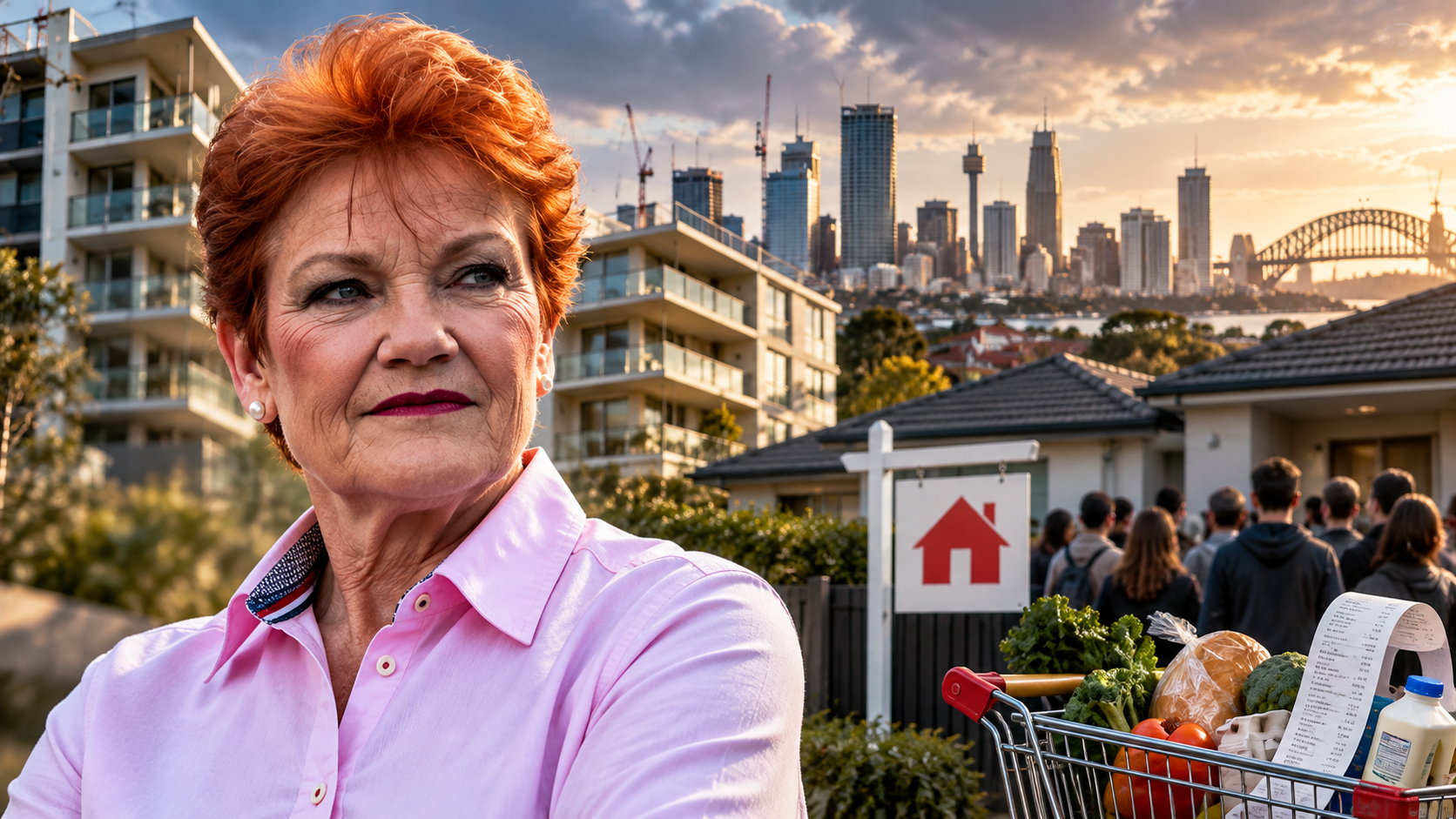
Renters, mothers with mortgages and small business owners have been repeatedly singled out as bearing the brunt of policy shifts. When households and small firms feel costs rise, political attention follows; voters look to who pays the bill and who they hold accountable.
That shift in public perception changes the incentives for parties in government and opposition. Politicians who act as if cost pressures can be wished away risk electoral punishment if voters conclude their quality of life is deteriorating.
Parties' defences and mounting political consequences
Parties have argued they need room to govern and to make complex policy trade‑offs, but the current squeeze tests that argument. With polls showing weakened support for the major parties and space opening for challengers, the political calculus in Canberra is changing.
Competing claims about responsibility for the squeeze — central bank decisions versus government tax and regulatory choices — will be central to campaigns. The immediate consequence is that migration and border questions are no longer likely to remain technical policy discussions.
Immigration and borders move from policy papers to the ballot box
Cost‑of‑living anger is pushing immigration and border policy into everyday electoral politics. The debate risks being reframed by voters focused on rent, healthcare waits and taxes rather than technocratic arguments about economic benefit.
The result is a sharpened choice for parties and voters: preserve the status quo or adopt tougher border and migration stances to respond to voter concern. Either path carries political and policy consequences that will shape the next federal contest.
Comments
0 approved
No approved comments yet. Be the first to weigh in.